

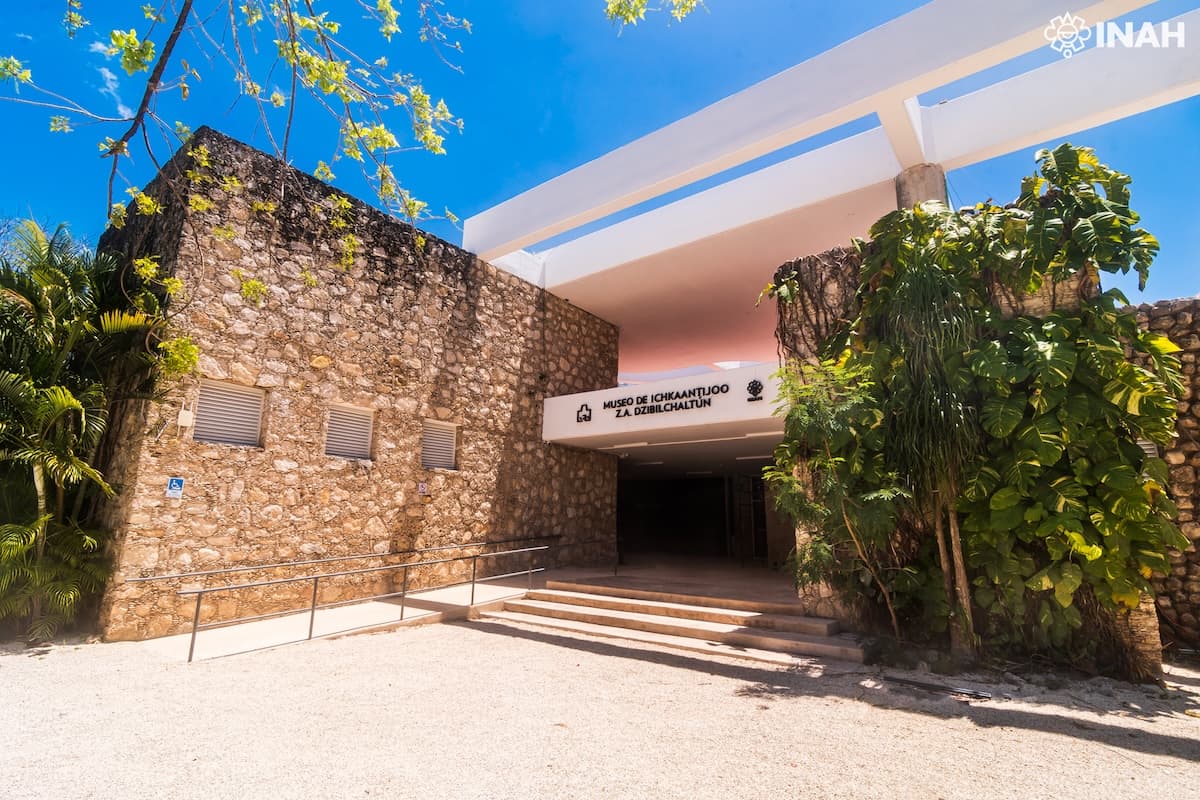












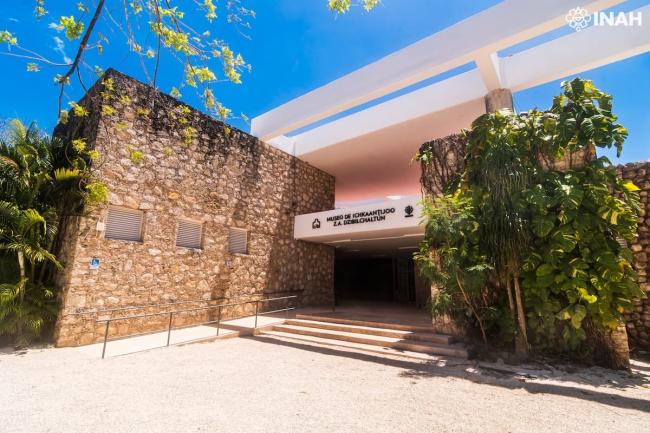

Museo de Sitio Ichkaantijoo
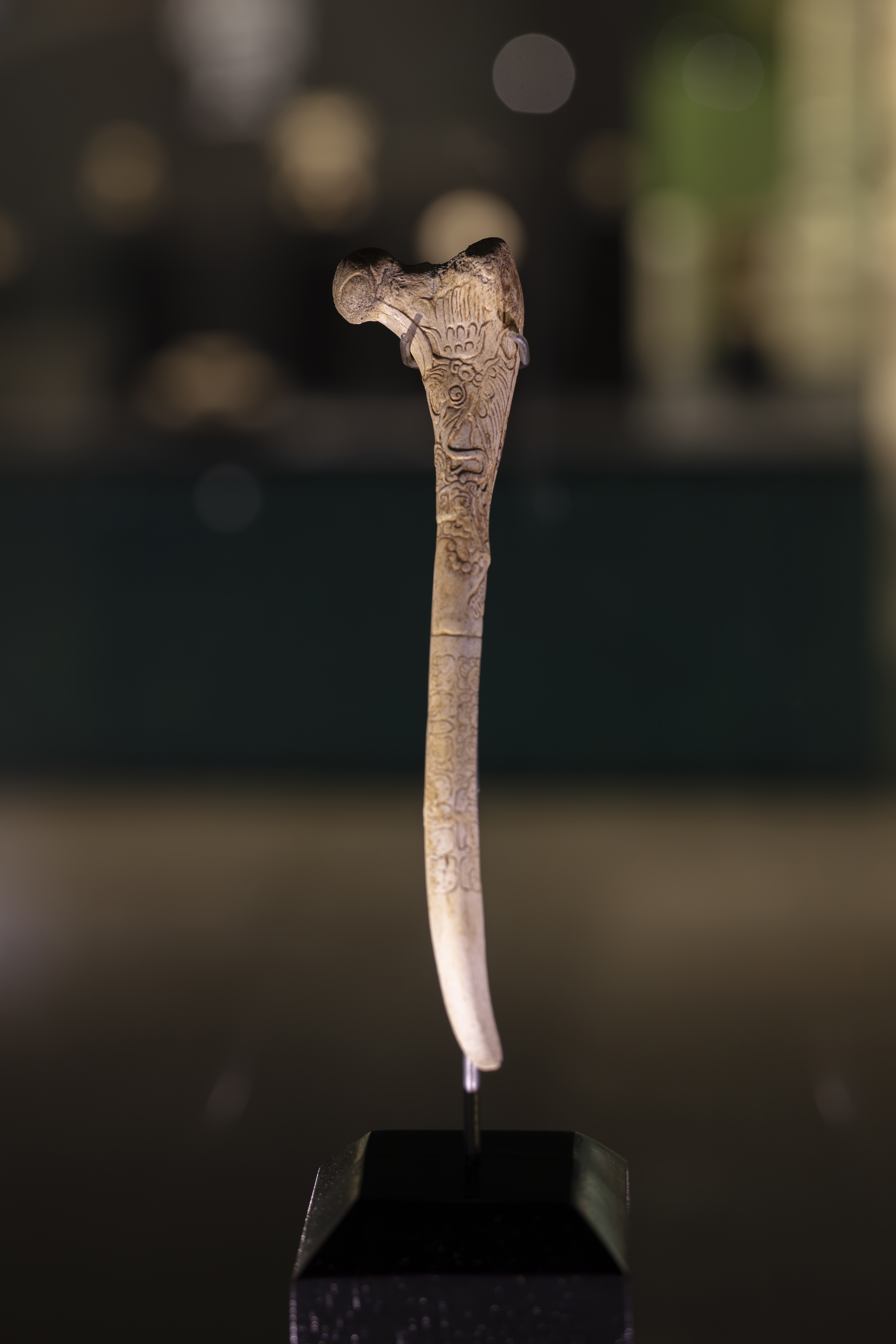
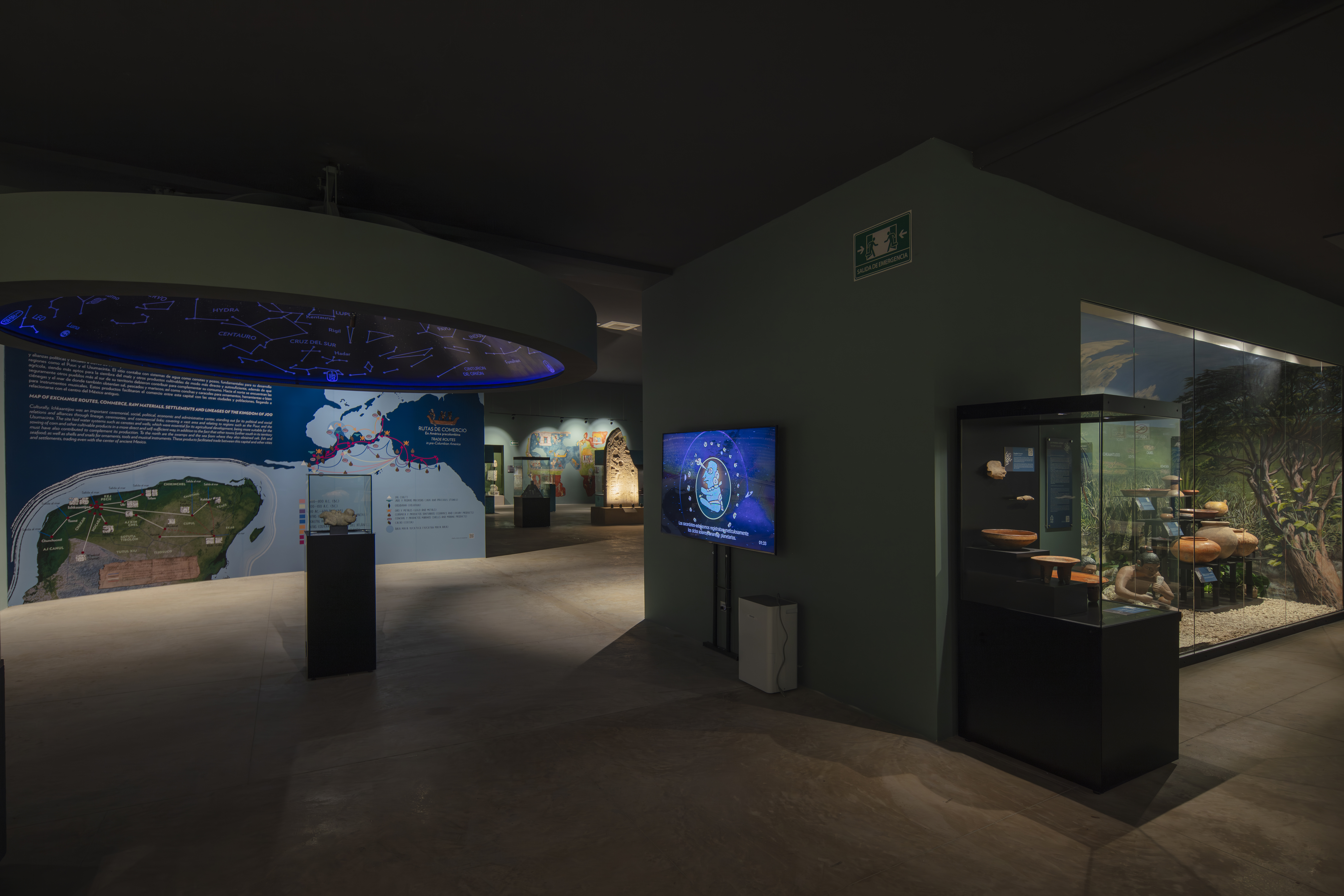
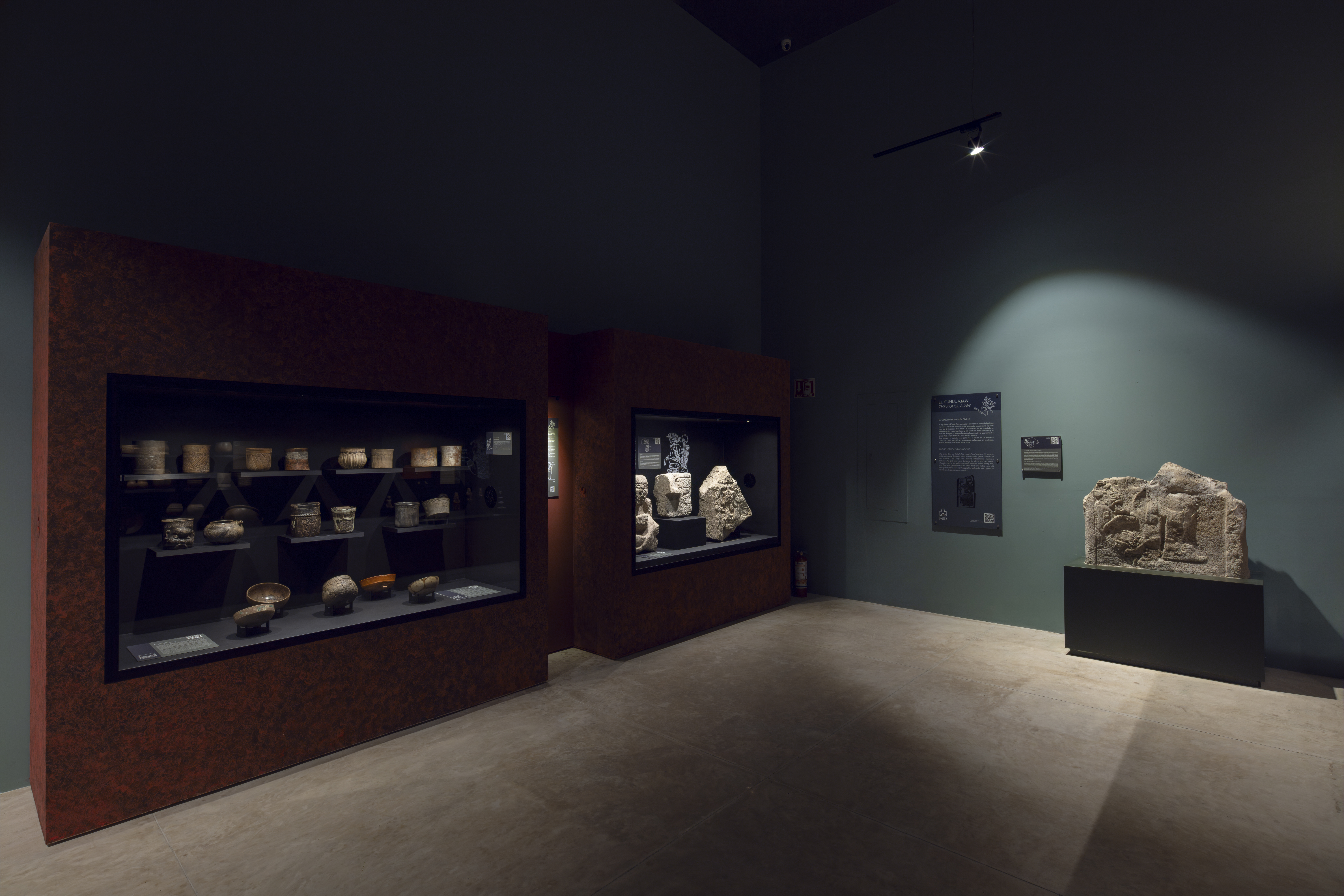
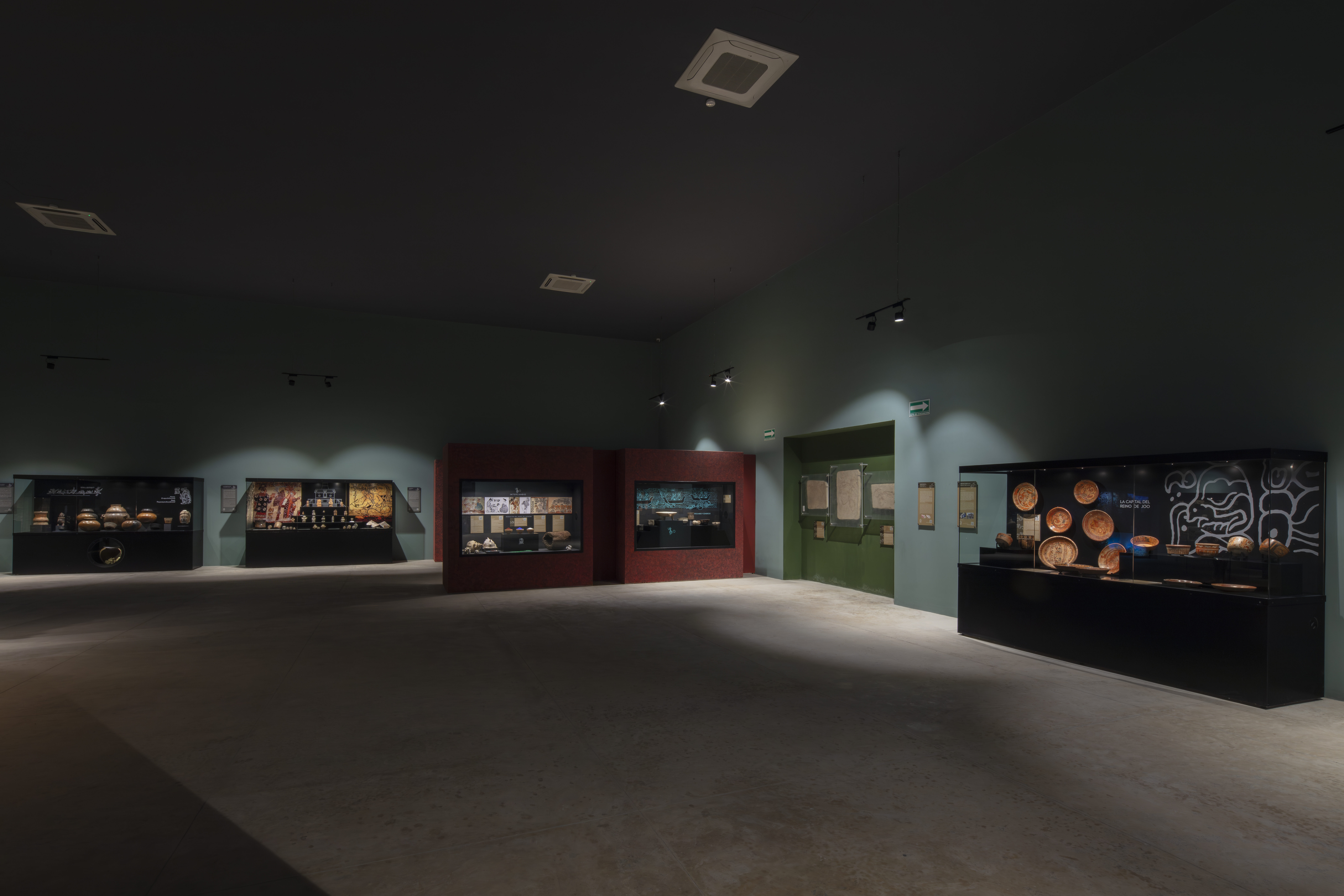
A space dedicated to preserving and showcasing the archaeological heritage of the ancient Mayan city of Ichkaantijoo, now known as Dzibilchaltún, in Yucatán. Its collection includes more than 300 archaeological artifacts, including ceramics, stone objects, and items related to writing, religion, and daily life. These artifacts provide insight into the culture, social organization, and knowledge of the ancient inhabitants.
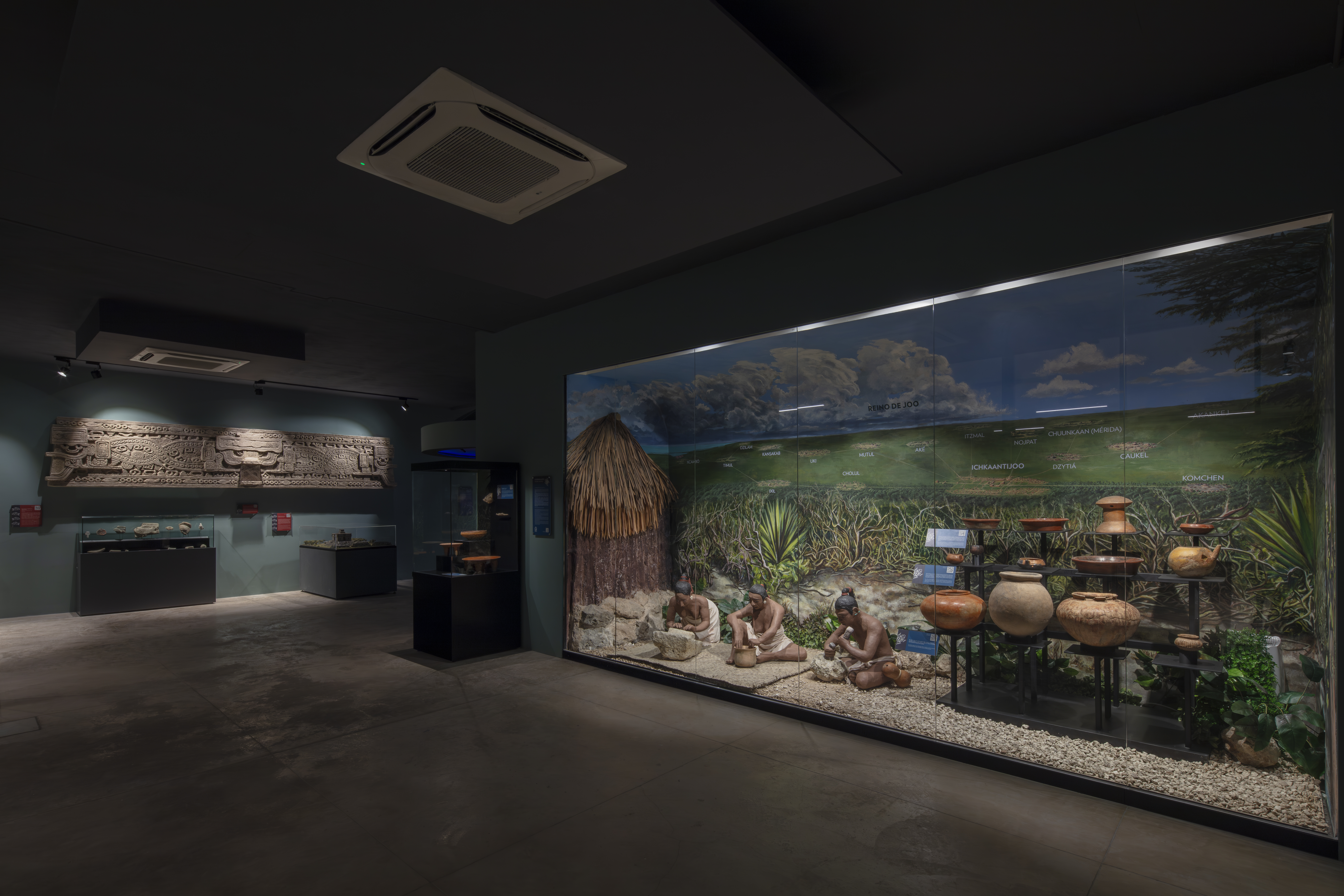
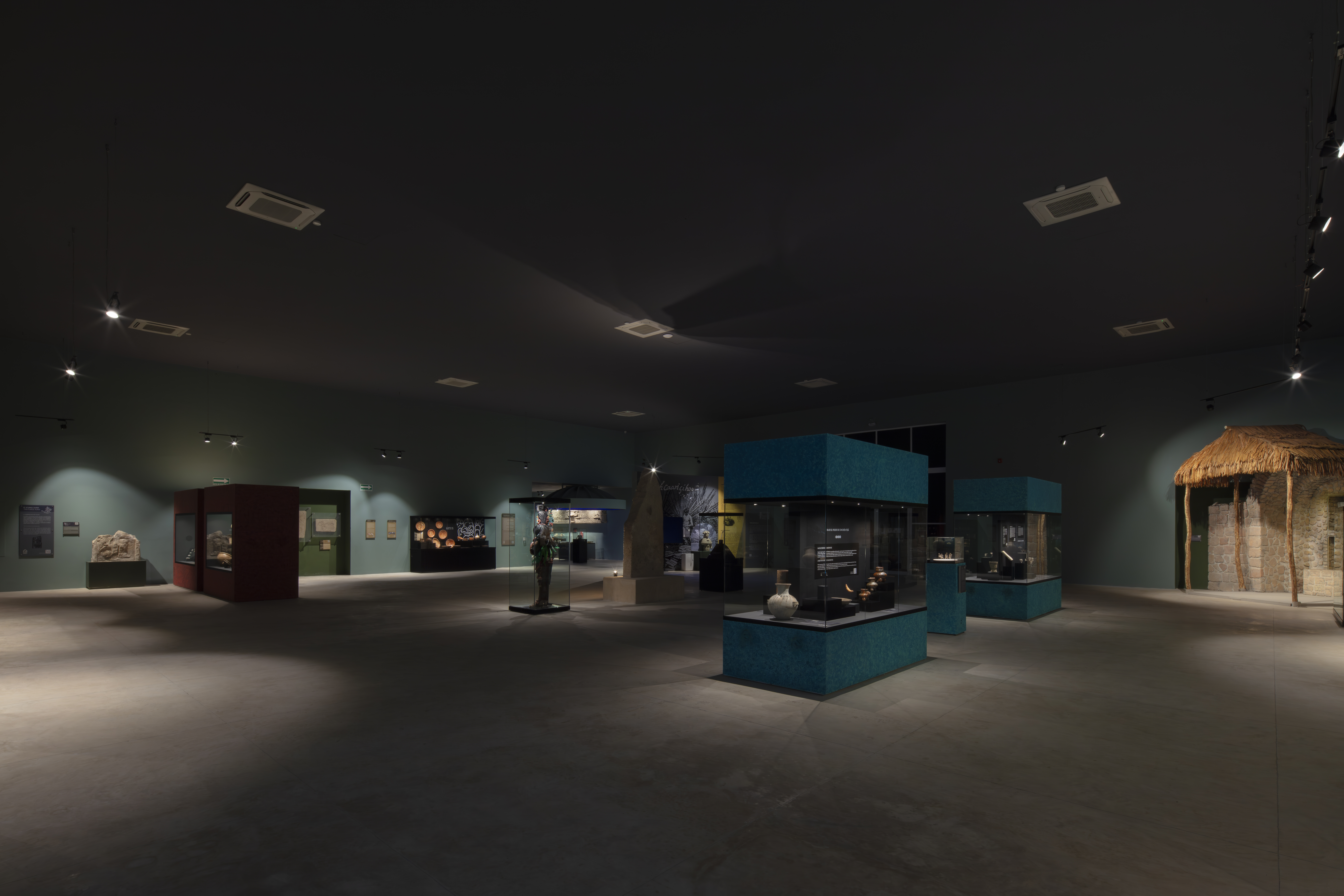
The museum’s exhibition design offers insight into various aspects of the society that inhabited this ancient settlement through a collection of carefully selected and preserved archaeological artifacts.
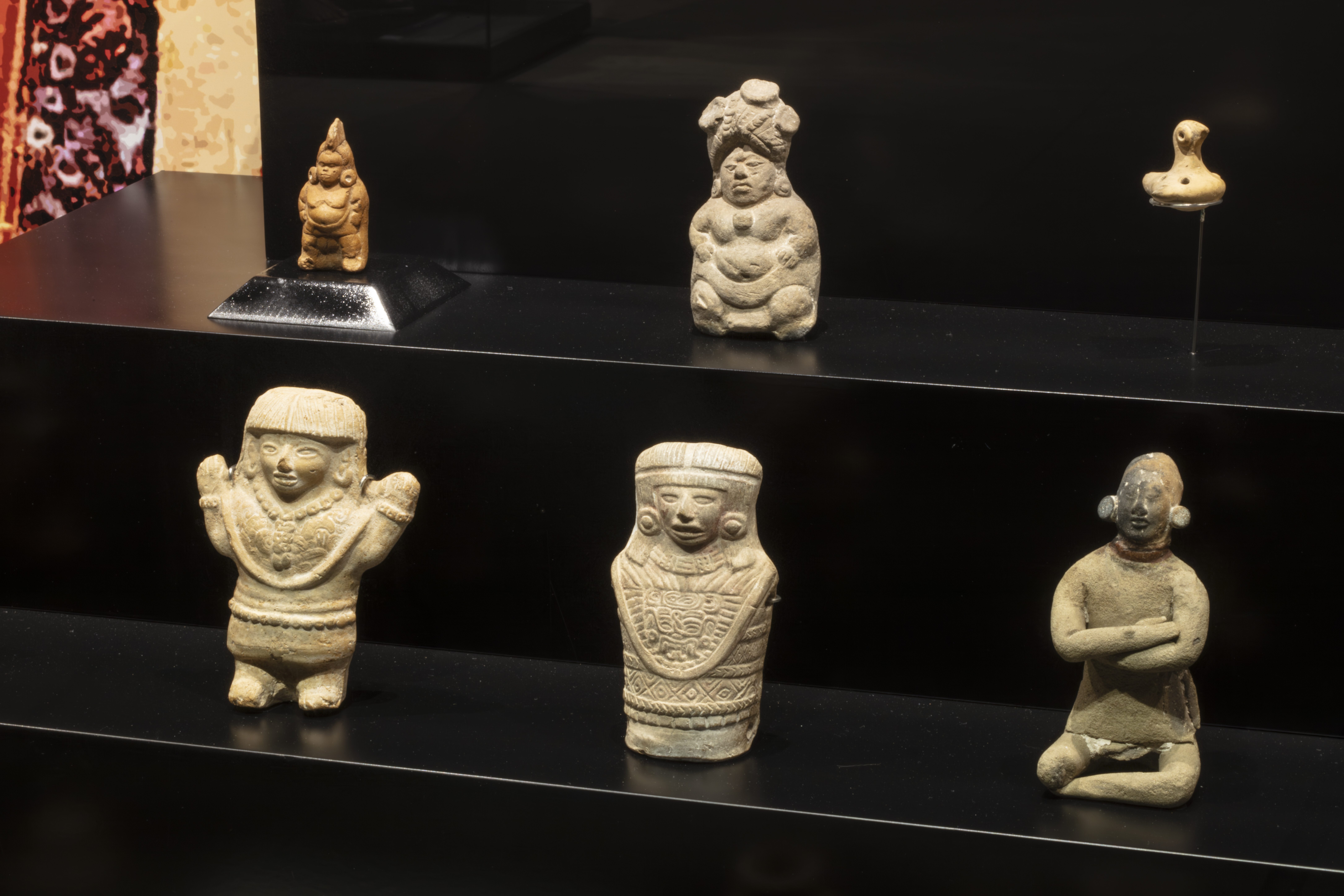
The museum’s collection consists of more than 300 archaeological artifacts, which offer insight into various aspects of the lives of the ancient inhabitants of Ichkaantijoo. The artifacts represent different types of materials, uses, and functions, and serve as direct evidence of the activities that took place in the settlement throughout its history.
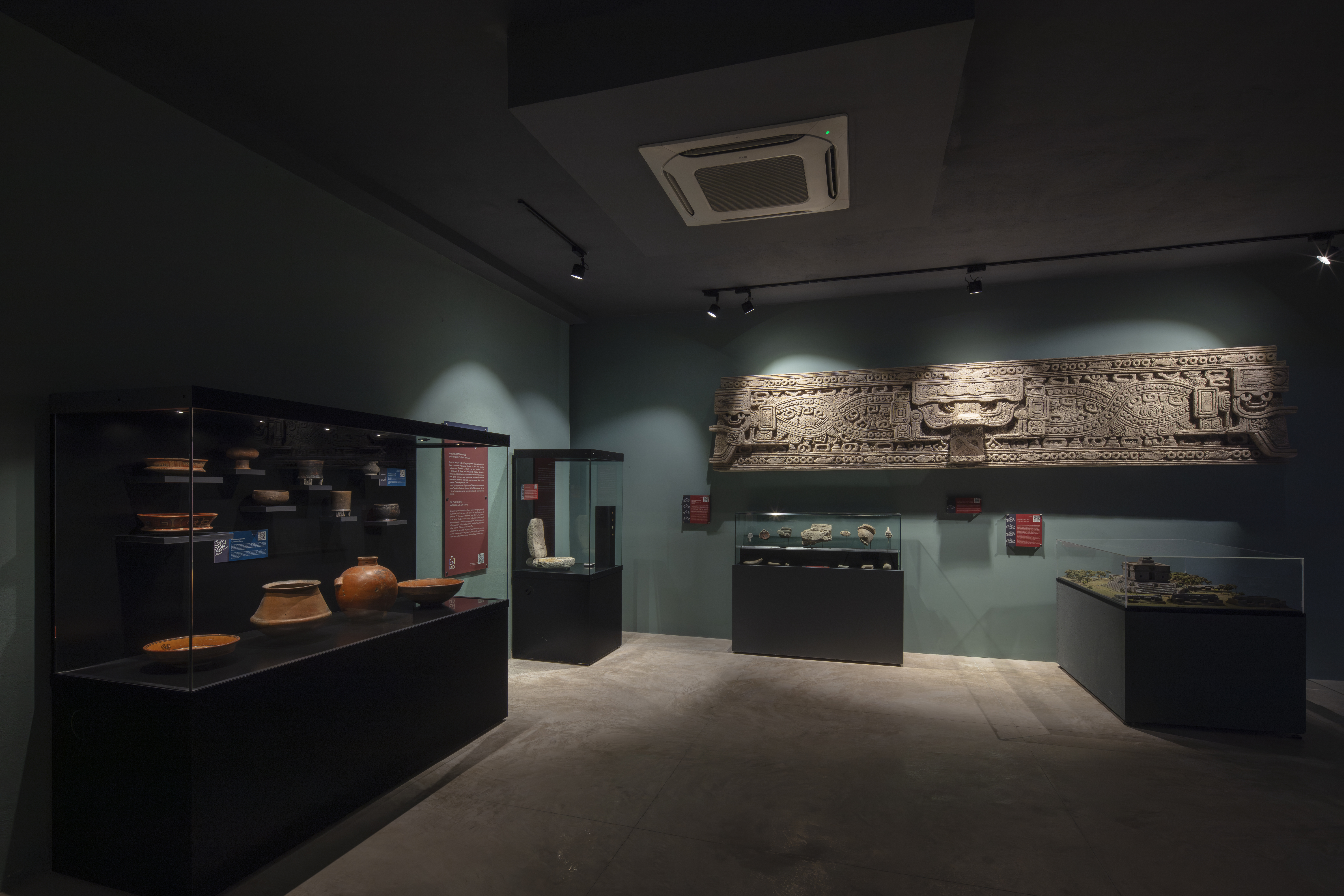
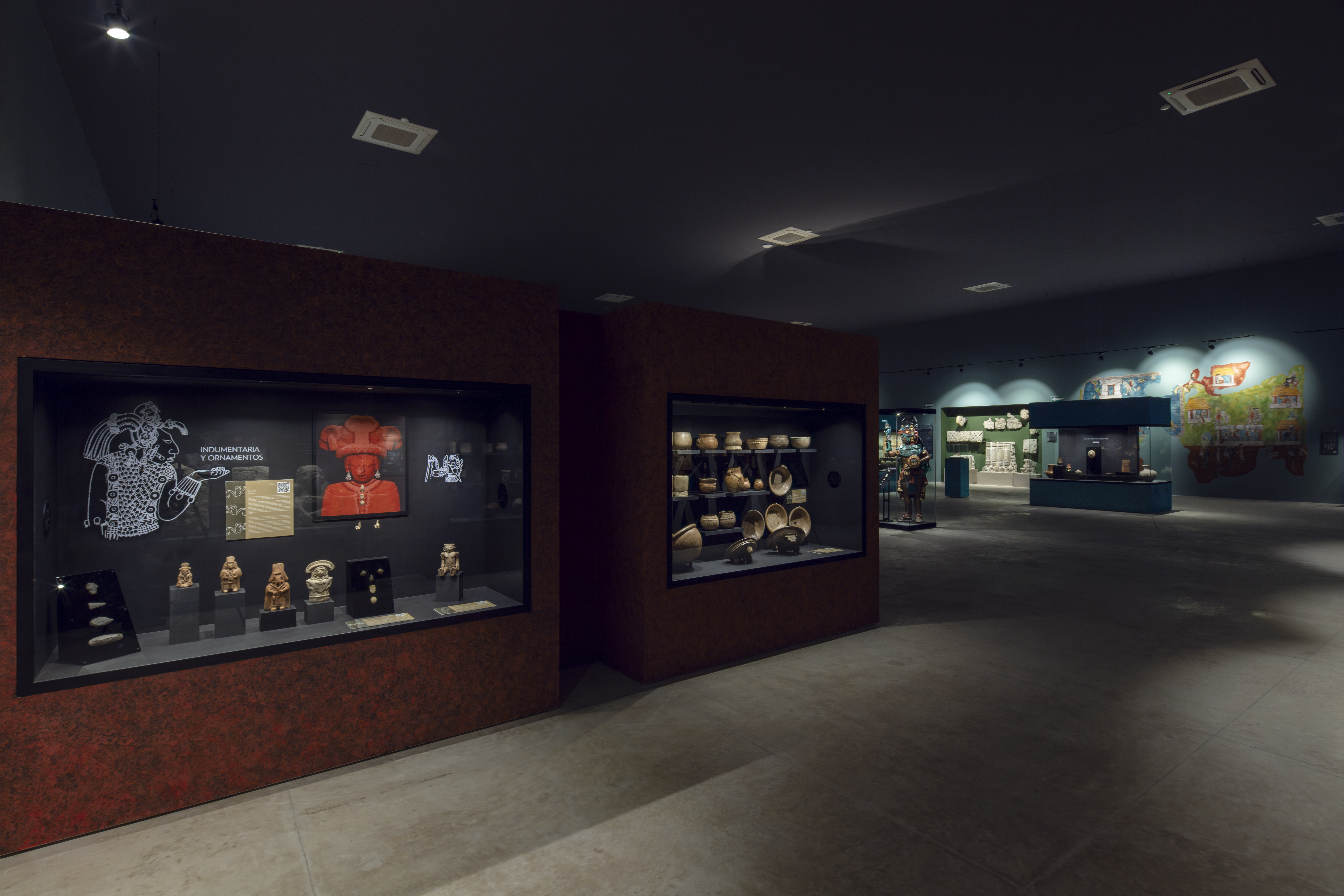
Among the objects in the collection are pieces made of ceramic, stone, and other archaeological materials. These objects provide insight into the technical and artistic skills of the ancient inhabitants. Ceramics, for example, are an important source of information because their shapes, decorations, and characteristics help identify different periods and activities. Some pieces may have been used to store, prepare, or serve food, while others were associated with ceremonial practices.
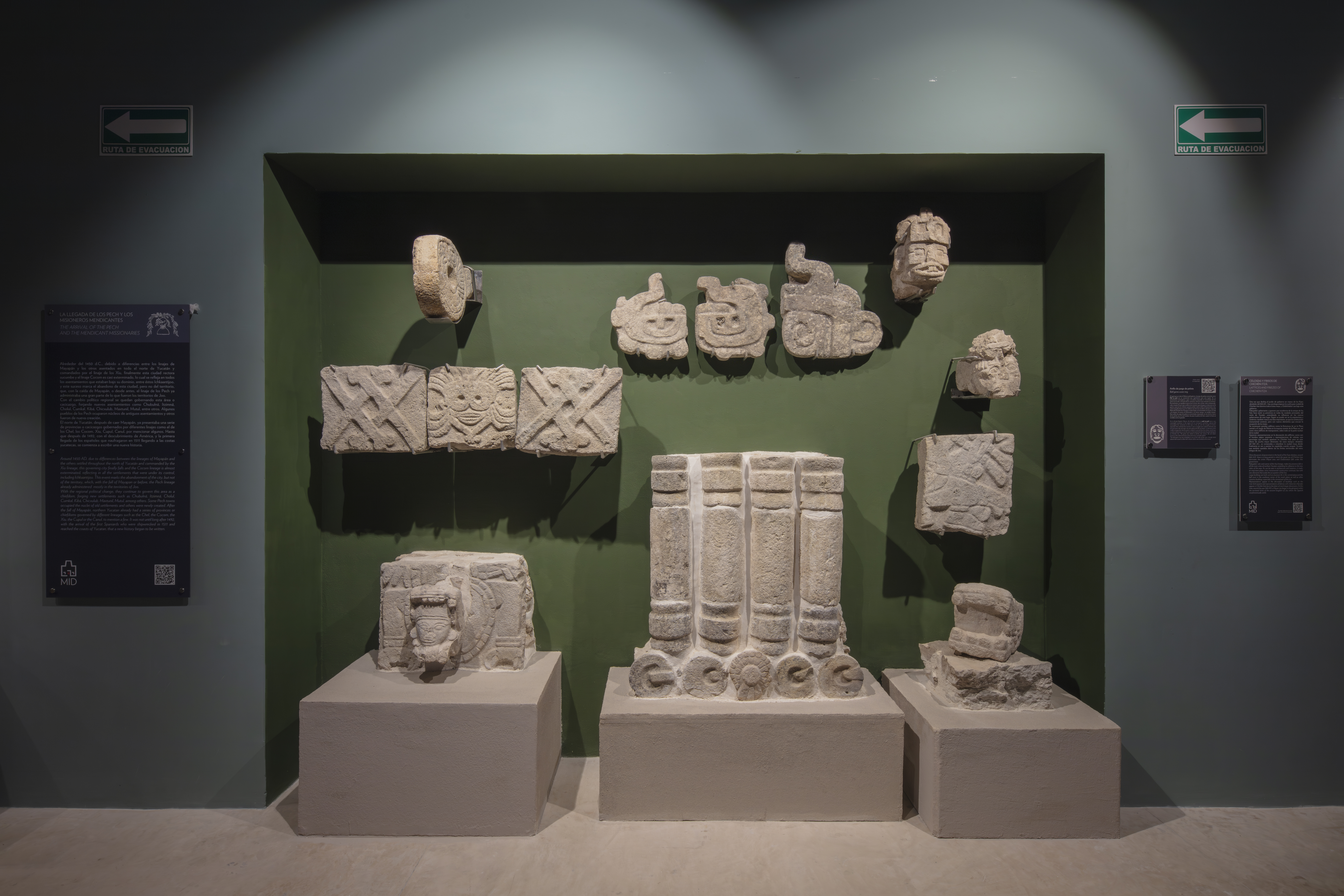
Stone objects are also an important part of the collection. These artifacts demonstrate the technical expertise developed by the inhabitants of Ichkaantijoo and allow us to identify tools, architectural elements, and objects associated with daily life or rituals. Crafting them required an understanding of the characteristics of different types of stone and the development of specific techniques for cutting, polishing, carving, or engraving them.
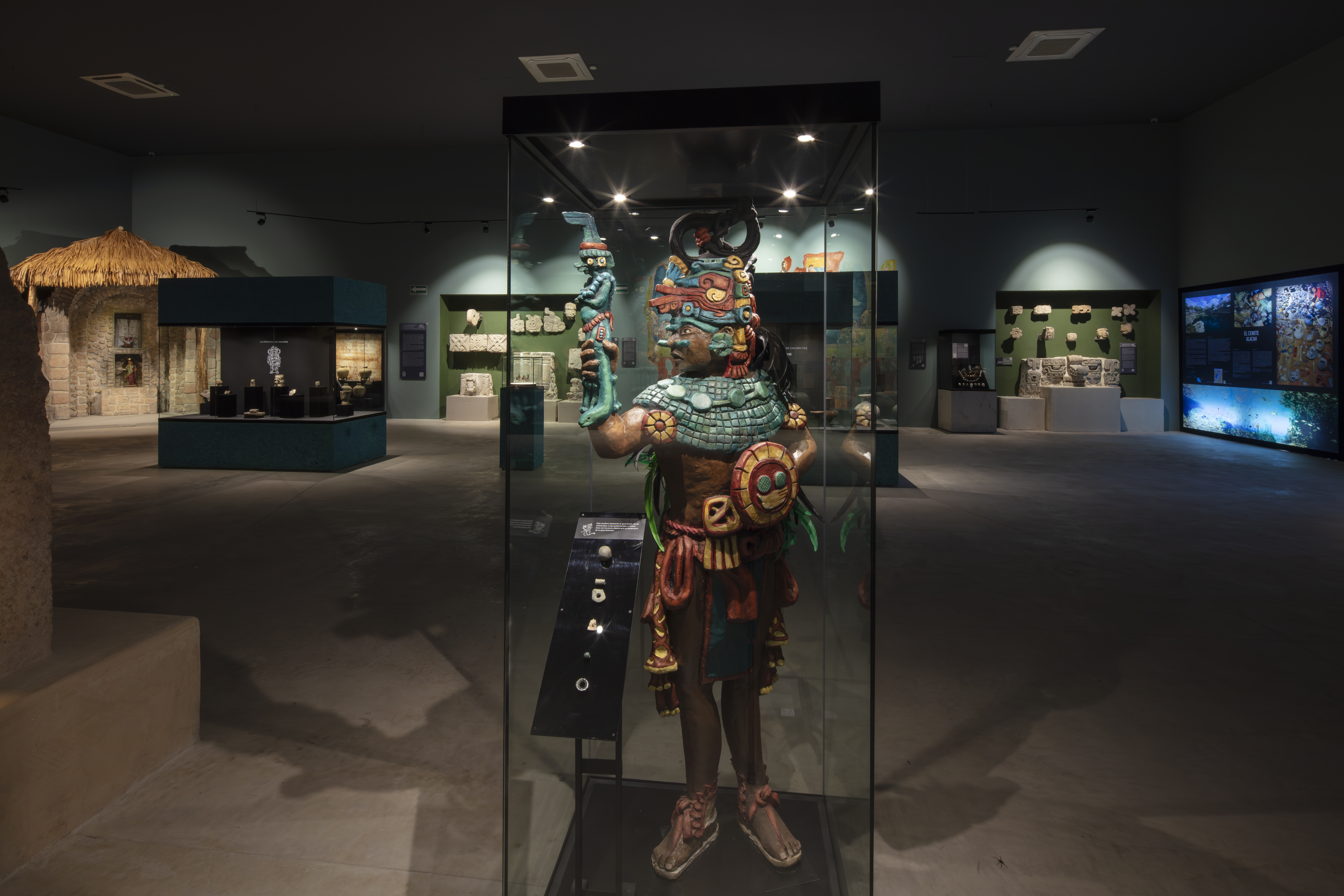
Another fundamental component of the collection consists of objects related to writing and power. Inscriptions and depictions of figures provide insight into part of the political and social history of the ancient settlement. Maya texts could record names, events, dates, and relationships among rulers. Thus, inscribed objects hold exceptional value because they offer a glimpse into how the inhabitants themselves documented specific events in their society.
The collection also highlights the importance of religious and ceremonial practices. Some archaeological objects were associated with rituals, offerings, or representations of supernatural beings. Their presence in the museum helps us understand that religion was part of various aspects of life in Maya society and that certain objects served functions that went beyond their everyday utility.
One of the museum’s most important features is that the artifacts are not presented solely as isolated objects. The exhibition design seeks to provide information about their context and explain what they can reveal about the people who made and used them. In this way, a vessel, a tool, a sculpture, or a ceremonial object becomes a historical source that allows us to reconstruct aspects of life in the past.
The collection also stands out for its connection to the history of the rulers of Ichkaantijoo. Among the exhibits is information related to Kalonché Uk’uuw Chan Chaahk, a figure linked to the ruling lineage of the ancient settlement. The inclusion of this type of information helps visitors understand that archaeological artifacts can also provide insights into political organization and power relations.
The museum also fulfills an essential conservation role. Archaeological artifacts are materials that have survived for centuries, but they can deteriorate when exposed to inappropriate environmental conditions. Therefore, their conservation requires specialized procedures, temperature and humidity control, cleaning, restoration, and protective measures. The museum provides a suitable space to preserve these materials and ensure that they remain available for research and public access.
- Dirección de la Zona Arqueológica y Museo de SitioFederica Sodi Mirandadireccion.yuc@inah.gob.mx+52 (999) 913 4034Dirección del Centro INAHVictor Arturo Martínez Rojasvictor_amartinez@inah.gob.mx+52 (999) 944 4068


